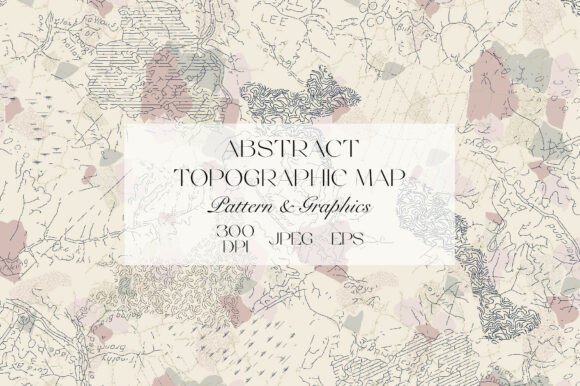
Abstract Topographic Map Pattern: A Modern Take on Vintage Cartography
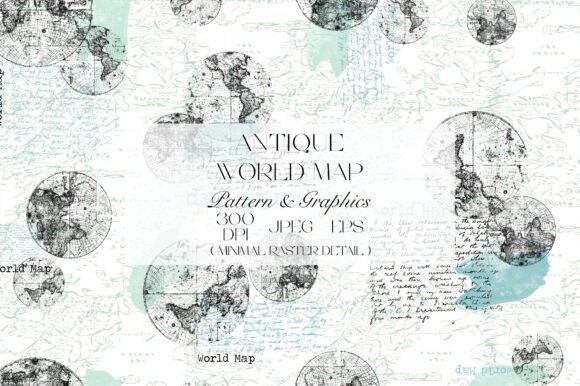
The Abstract Topographic Map Pattern is a versatile and visually engaging design that merges the elegance of vintage cartography with contemporary aesthetics. This seamless vector pattern features topographic lines—those familiar contour lines used to depict elevation changes in traditional maps—with soft pastel color blocks, resulting in a sophisticated surface design. Ideal for a wide range of creative applications, it brings a sense of artistry and nostalgia into modern branding, packaging, textiles, and stationery projects.
Why People Choose Abstract Topographic Map Patterns
Designers and creators are often drawn to abstract topographic patterns because they offer a unique blend of form and function. These designs evoke a sense of adventure, exploration, and natural beauty without being overly literal or restrictive. The vintage map influence adds a timeless quality, while the abstraction allows for greater flexibility in use across different media and industries.
For those looking to create a cohesive brand identity, this pattern can serve as a subtle yet distinctive background element. It appeals particularly well to brands associated with travel, outdoor gear, wellness, or artisanal products, where an earthy and refined visual language is desired.
Key Benefits of Using the Abstract Topographic Map Pattern
- Seamless Repetition: The pattern is designed to tile seamlessly, making it ideal for large-scale printing and digital backgrounds without visible edges or disruptions.
- Versatility: With its neutral pastel tones and abstract nature, the design works well in both monochrome and color formats, adapting easily to logos, product wraps, fabric prints, and more.
- High Quality: Provided in EPS format (with JPEG previews at 300dpi), this pattern ensures crisp, scalable output suitable for professional-grade applications.
- Modern Sophistication: While inspired by vintage maps, the abstraction gives it a fresh, updated look that aligns with current design trends in minimalism and soft maximalism.
Potential Tradeoffs and Considerations
Despite its many strengths, there are some factors to consider before deciding if the Abstract Topographic Map Pattern is right for your project:
- Visual Overload Risk: Because of its intricate line work, using this pattern in high contrast or on small surfaces may result in a cluttered appearance. Test how it looks in context before finalizing its use.
- Color Matching: The soft pastel palette is beautiful but may not complement all brand colors or product palettes. Careful consideration should be given to how the pattern interacts with other elements in your design system.
- Printing Requirements: For physical applications like textiles or packaging, ensure that your printer supports high-resolution EPS files and understands how to handle layered vector graphics effectively.
When This Pattern Is a Strong Fit
This design excels in scenarios where you want to add depth and character to your visuals without overwhelming the viewer. Here are some situations where it could be a strong choice:
- Branding Projects: Use it subtly behind logos or as a texture overlay in marketing materials to reinforce themes of exploration, nature, or sophistication.
- Product Packaging: Especially effective for eco-friendly or premium goods, where the pattern can enhance the aesthetic appeal and perceived value of the product.
- Stationery and Printables: From greeting cards to calendars, the pattern adds a touch of elegance and uniqueness to printed items.
- Textile Design: Its repeating structure makes it well-suited for fabric backgrounds, particularly in home décor or fashion accessories where a vintage-meets-modern vibe is desirable.
When Alternatives Might Be Better
While the Abstract Topographic Map Pattern is highly adaptable, there are instances where simpler or more thematic designs might be more appropriate:
- If your project requires a minimalist or ultra-clean look, a solid color or basic geometric pattern might better suit your needs.
- For children’s products or playful branding, bolder colors and more whimsical motifs could be more effective.
- In technical or data-driven contexts, such as infographics or engineering diagrams, a more literal topographic style or no pattern at all may be preferable to avoid confusion.
Practical Insights for Decision-Making
When evaluating whether to use the Abstract Topographic Map Pattern, start by considering your audience and the message you want to convey. Does the design support your brand narrative? Will it stand out in the right way?
Next, think about scale and placement. Test the pattern at various sizes to see how it holds up. On smaller items like business cards or labels, it may need to be simplified or desaturated to maintain readability and clarity.
Also, consider the printing process. If you’re working with a limited color palette or need precise color matching, confirm that the pattern’s pastel hues will translate accurately from screen to print. Digital mockups can help visualize the final outcome before production.
Finally, assess your budget and timeline. High-quality vector patterns like this one are often worth the investment for long-term use across multiple platforms, especially when they’re part of a growing collection of seamless patterns, prints, and illustrations updated weekly in a trusted shop.
Conclusion
The Abstract Topographic Map Pattern offers a compelling mix of historical inspiration and modern design sensibility. It’s a thoughtful choice for professionals seeking a unique yet functional background element that can elevate their creative projects. However, its effectiveness depends heavily on context, so careful evaluation is key.
If you're interested in incorporating this pattern into your next design, remember to check compatibility with your existing assets and intended use. As shops continue to evolve with new collections each week, staying engaged with updates can provide ongoing opportunities to expand your design toolkit with relevant and high-quality resources.