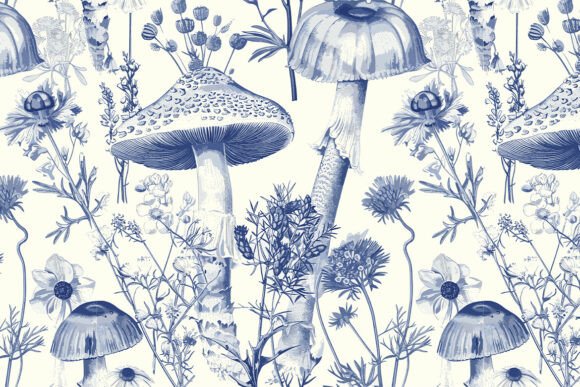
Toile De Jouy Pattern Vintage Kitchen 16: Elevating Design with Timeless Elegance
In an era where digital saturation often leads to visual fatigue, there is a distinct and growing desire for authenticity, warmth, and narrative depth in design. The Toile De Jouy Pattern Vintage Kitchen 16 emerges not merely as a decorative asset but as a strategic tool for creators seeking to infuse their projects with a sense of history, romance, and cozy sophistication. This specific pattern, characterized by its hand-drawn seamless nature and intricate detailing, bridges the gap between classical French artistry and modern creative workflows. For professionals ranging from interior designers and textile manufacturers to digital marketers and hobbyist bloggers, understanding the utility and aesthetic power of this pattern is essential for crafting designs that resonate on a deeper emotional level.
The Evolution of Toile De Jouy in Modern Design
Toile de Jouy, originally a printed cotton fabric featuring monochromatic scenes of pastoral life, has evolved significantly since its inception in 18th-century France. Historically, it served as a status symbol and a window into the world for those who never traveled. Today, the Toile De Jouy Pattern Vintage Kitchen 16 reinterprets this heritage by shifting the narrative focus from grand landscapes to intimate, domestic spaces. By centering the motif around a "cozy kitchen," the pattern taps into the contemporary cultural shift toward valuing home-centered living, comfort cooking, and the romanticization of everyday rituals.
This evolution reflects a broader trend in design known as "biophilic nostalgia." Users are increasingly drawn to visuals that evoke feelings of safety, heritage, and natural beauty. The inclusion of delicate mushrooms, fungi, wildflowers, leaves, bloom, blossom, buds, and petals within the kitchen context creates a symbiotic relationship between the built environment and the natural world. It suggests that even in the most functional spaces, such as a kitchen, there is room for organic elegance and artistic expression. This is particularly relevant for brands and creators looking to humanize their products or services, moving away from sterile minimalism toward textured, story-rich aesthetics.
Deconstructing the Aesthetic: Romantic Charm and Intricate Detail
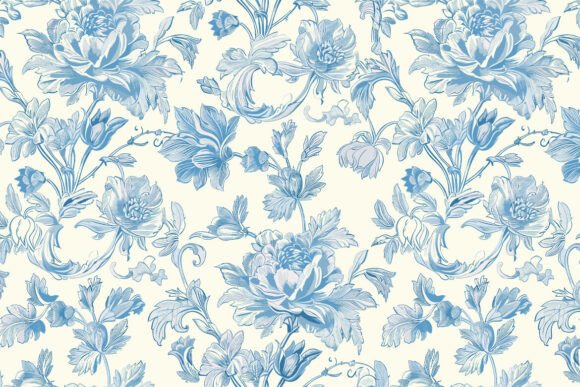
What sets the Toile De Jouy Pattern Vintage Kitchen 16 apart from generic vintage prints is its specific attention to botanical accuracy and romantic charm. The pattern features intricate floral motifs that add a touch of timeless beauty without overwhelming the viewer. The delicate rendering of mushrooms and fungi introduces an element of whimsy and woodland mystery, while the wildflowers and blossoms provide softness and color harmony (even in monochrome applications).
For designers, this level of detail is crucial. In a market saturated with flat, vector-based icons and simplified graphics, complex patterns offer a tactile quality that engages the eye. The "romantic allure" mentioned in the product highlights is not just about sentimentality; it is about creating an atmosphere. When applied to packaging, textiles, or digital backgrounds, these motifs evoke feelings of love, nostalgia, and care. This is particularly effective in industries such as artisanal food production, boutique hospitality, and luxury home goods, where the brand story is as important as the product itself.
The Role of Hand-Drawn Authenticity
The description of the pattern as "hand-drawn" carries significant weight in current design trends. Consumers and clients can often distinguish between algorithmically generated imagery and work that retains the subtle imperfections and fluid lines of human craftsmanship. The Hand Drawn Seamless Pattern With Vintage Kitchen Toile de Jouy 16 offers this authenticity. It feels curated rather than mass-produced. For freelancers and small business owners, leveraging assets that appear hand-crafted helps build trust and perceived value. It signals that attention to detail was paid during the creation process, a trait that users associate with high-quality end products.
Technical Advantages: Vector Graphics and High-Resolution Versatility
Beyond aesthetics, the technical specifications of the Toile De Jouy Pattern Vintage Kitchen 16 make it a highly practical choice for diverse professional needs. The availability of both versatile vector graphics and high-resolution JPG images at 300 dpi addresses the two primary requirements of modern design: scalability and print readiness.
- Vector Flexibility: The vector format allows creators to scale the pattern infinitely without loss of quality. This is indispensable for large-format applications such as wall murals, fabric rolls, or billboard advertisements. Designers can manipulate the size, color, and density of the elements to suit specific brand guidelines. Whether you need a subtle background texture for a website header or a bold, repeating motif for a tea towel, the vector source provides the necessary control.
- Print Precision: The 300 dpi JPG images ensure crisp and clear outputs for physical media. For businesses involved in print-on-demand services, stationery design, or interior decor, this resolution eliminates the risk of pixelation or blurriness. It guarantees that the delicate details of the buds, petals, and kitchen motifs remain sharp and legible, preserving the integrity of the design from screen to paper.
Practical Applications Across Industries
The versatility of this pattern extends across multiple sectors, making it a valuable asset for a wide range of professionals. Its application is not limited to traditional textile design; it has found new life in digital interfaces, branding, and lifestyle content.
Kitchen Décor and Home Styling
As the name suggests, the pattern is perfectly suited for kitchen décor. However, its use goes beyond simple wallpaper. It can be integrated into backsplash tiles, cabinet hardware, dishware collections, and aprons. For interior stylists, using the Toile De Jouy Pattern Vintage Kitchen 16 allows them to create cohesive themes that blend rustic charm with refined elegance. It works well in farmhouse-style kitchens, shabby chic boutiques, and even modern spaces when used as an accent rather than an all-over print. The romantic motifs of the cozy kitchen help to soften hard surfaces and introduce a sense of warmth and invitation.
Packaging and Brand Identity
Entrepreneurs in the food and beverage industry, particularly those selling artisanal jams, teas, spices, or baked goods, can leverage this pattern to enhance their packaging. The intricate floral and mushroom motifs suggest natural ingredients and careful preparation. A jar of honey wrapped in paper featuring this pattern immediately communicates quality and tradition. Similarly, cosmetic brands focusing on botanical or herbal products can use the wildflower and leaf elements to reinforce their connection to nature. The pattern serves as a visual shorthand for purity, care, and heritage.
Digital Content and Social Media
For bloggers, educators, and social media managers, the pattern offers a unique way to break up text-heavy content. Used as section dividers, email newsletter backgrounds, or presentation slide templates, the Toile De Jouy Pattern Vintage Kitchen 16 adds a layer of polish and personality. It helps establish a consistent visual identity that stands out in crowded feeds. The "timeless floral elegance" ensures that the content does not feel dated quickly, providing long-term relevance to evergreen posts.
Integrating Classic Charm into Modern Workflows
Incorporating classic patterns like this one into modern workflows requires a balanced approach. The key is to let the pattern shine without letting it dominate. Designers should consider the negative space around the motifs, ensuring that the pattern complements rather than competes with typography and other focal points. The romantic charm of the design pairs exceptionally well with serif fonts and muted color palettes, enhancing the overall sophisticated look.
Furthermore, the ability to customize the vector graphics allows for adaptability. Creators can adjust the scale to fit different aspect ratios, change colors to match seasonal themes (e.g., warmer tones for autumn, cooler greens for spring), or combine elements with solid colors to create hybrid designs. This flexibility ensures that the Toile De Jouy Pattern Vintage Kitchen 16 remains a dynamic tool rather than a static decoration.
Conclusion: A Tool for Sophisticated Creation
The Toile De Jouy Pattern Vintage Kitchen 16 represents more than just a decorative image; it is a bridge between past and present, offering a tangible link to traditions of craftsmanship and beauty. For professionals and hobbyists alike, it provides a reliable, high-quality foundation for projects that demand elegance and narrative depth. By combining hand-drawn authenticity with modern technical capabilities, this pattern empowers creators to elevate their work effortlessly. Whether enhancing kitchen décor, defining a brand’s visual voice, or adding a touch of classic charm to digital projects, this seamless pattern invites users to infuse sophistication into every creation. As the market continues to favor authentic, emotionally resonant design, assets like this will remain essential tools for those looking to stand out with grace and purpose.