Retro 70s Multicolor Plaid Pattern: A Versatile Design Element for Modern Creative Projects
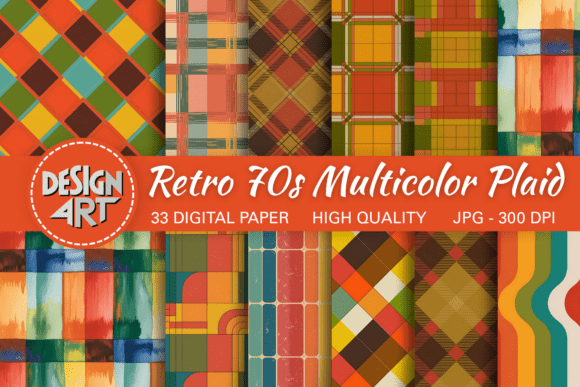
The Retro 70s Multicolor Plaid Seamless Pattern Pack is more than just a design trend—it’s a nostalgic and functional asset for modern creators. Whether you're working on fashion, packaging, stationery, or digital content, these patterns offer the bold color palettes and geometric charm that defined the 1970s era. With warm oranges, mustard yellows, earthy browns, teal, and vintage reds, this collection brings groovy retro vibes into your workflow without compromising on quality or adaptability.
Understanding the Role of Retro 70s Multicolor Plaid in Design Workflows
Incorporating the Retro 70s Multicolor Plaid Pattern into your projects requires understanding its place within broader creative processes. These patterns are not just decorative; they serve as foundational elements that can unify visual themes across multiple platforms. Their tileable and high-resolution nature makes them especially valuable for tasks like fabric printing, large-scale poster designs, and even digital assets such as social media templates or printable planners.
Before using these plaid designs, it's important to assess their compatibility with your project’s aesthetic and technical requirements. For instance, if you're designing a line of retro-inspired apparel, the plaid pattern can be integrated during the initial fabric selection phase. If you're creating vintage-themed branding materials, it can play a key role in defining the look and feel of your collateral before finalizing any text or layout decisions.
Preparation and Compatibility
When preparing to use the Retro 70s Multicolor Plaid Pattern, ensure that your design software supports high-resolution JPEG files and seamless tiling. Programs like Adobe Photoshop, Illustrator, and InDesign are ideal, but many free tools also handle these formats well. The included 33 patterns allow for flexibility—whether you want to layer different plaid textures or choose one dominant style, the preparation phase should involve selecting the right palette that complements your existing color scheme.
For print projects, verify the resolution (3072 × 3072 px) meets the printer’s specifications. For digital applications, consider how the pattern will scale on screens, particularly for responsive web design or mobile-friendly content. This ensures the Retro 70s Multicolor Plaid Pattern remains sharp and visually appealing regardless of the medium.
Integrating the Pattern Into Creative Processes
One of the most effective ways to use the Retro 70s Multaid Pattern is by treating it as a background element. In textile design, for example, the pattern can be applied to base fabrics and then overlaid with other textures or logos. Similarly, in graphic design for retro branding, the plaid can form the backdrop of posters, labels, or website headers, setting a cohesive tone from the start.
During the execution phase, the fully editable feature of each pattern becomes crucial. You can resize, rotate, or recolor individual patterns to better match your brand identity or seasonal trends. This level of customization allows for a balance between maintaining the authentic 70s vibe and adapting it to contemporary needs. It’s especially useful when blending vintage aesthetics with modern minimalism or when aiming for a specific emotional response from your audience.
Workflow Example: Designing a Retro-Inspired Product Line
- Research Phase: Identify the target audience and determine which 70s color combinations resonate best with their preferences.
- Selection Phase: Choose a few plaid patterns from the Retro 70s Multicolor Plaid Pattern pack that align with the mood board created in step one.
- Implementation Phase: Apply the selected patterns to product mockups, whether physical items like clothing or digital ones like app interfaces or websites. Test how the patterns interact with other design elements like fonts, photography, and icons.
- Review and Refinement: Evaluate the usability and visual harmony of the pattern in context. Adjust colors or layouts where necessary to maintain clarity and readability, especially for text-heavy designs like journals or packaging labels.
- Production and Distribution: Export the final designs at appropriate resolutions for both print and digital use. Ensure consistency across all products to reinforce the retro theme effectively.
Use Cases Across Industries
The versatility of the Retro 70s Multicolor Plaid Pattern means it can be applied across a wide range of industries. Here are some practical examples:
- Fashion Design: Use the plaid as a base fabric for garments, accessories, or even as part of a custom denim jacket design.
- Graphic Design: Incorporate the pattern into vintage-style posters, KDP book covers, or retro-themed websites to evoke a sense of nostalgia.
- Product Packaging: Add a bold, eye-catching texture to wrapping paper, gift boxes, or retail packaging to stand out on shelves.
- Stationery and Journals: Print the pattern onto notebooks, calendars, or planners for a stylish yet functional product.
- Interior Décor: Use the digital versions as wallpaper, or apply them to printed textiles for curtains, cushions, or room dividers.
Combining Patterns for Depth
A powerful technique is layering different plaid patterns to create depth and complexity. For instance, combining a mustard yellow plaid with an earthy brown one can produce a subtle yet rich visual texture that enhances the overall design. This method works well in both digital and print workflows, especially when paired with muted gradients or vintage typography.
To avoid overwhelming the viewer, keep the number of layered patterns limited. One or two complementary designs usually suffice. This approach helps maintain a clean and organized look while still embracing the boldness of the 70s aesthetic.
Practical Tips for Implementation
Here are a few actionable tips to help you integrate the Retro 70s Multicolor Plaid Pattern efficiently into your work:
- Start Small: Before applying the pattern to large-scale prints, test it on smaller elements like buttons, borders, or thumbnails to see how it behaves.
- Balance Contrast: Pair darker plaid variations with lighter text or images to ensure legibility. Conversely, light-colored plaids work well with strong black or white accents.
- Optimize for Each Platform: When using the pattern in digital projects, export different sizes for various devices. For print, always confirm the PPI (pixels per inch) meets the required standard.
- Organize Your Files: Keep track of the 33 patterns by naming them based on color, intensity, or intended use. This streamlines the implementation process and prevents confusion later on.
- Consider Cultural Context: The 70s plaid aesthetic has historical roots in counterculture and DIY movements. Align your use of the pattern with these themes to add authenticity to your project.
Recoloring for Brand Consistency
Many designers may hesitate to use vintage patterns due to concerns about brand alignment. However, the ability to recolor the Retro 70s Multicolor Plaid Pattern in design software gives you full control over its integration. By adjusting hues to match your brand colors, you can maintain consistency while still drawing on the nostalgic appeal of the 70s style.
This is particularly useful in marketing materials, where brand recognition is key. Recoloring the pattern also allows for seasonal adaptations—for example, using brighter tones for spring campaigns and deeper shades for fall collections.
Long-Term Use and Asset Management
High-quality, tileable patterns like those in the Retro 70s Multicolor Plaid Pack are excellent for long-term use. They provide a consistent visual language that can evolve subtly over time. As part of your design library, these patterns can be reused in future projects, saving time and effort while maintaining a recognizable style.
For businesses or freelancers managing multiple clients or product lines, organizing these patterns into folders by project type or client preference is essential. Some designers even use naming conventions like "RetroPlaid-OrangeTeal" or "70sPattern-BrownMustard" to streamline retrieval and application.
Quality Control and Testing
Always conduct a final review of your design before production. Check how the pattern interacts with lighting, shadows, and other textures. In textile printing, for example, the plaid might appear differently under various dyes or fabric types. Digital testing is equally important—view your designs on different screen sizes and resolutions to catch potential issues early.
If you’re selling products online, consider using sample images with the pattern applied in real-world contexts. This gives customers a clearer idea of what to expect and builds trust in the product’s quality and design.
Collaboration and Cross-Disciplinary Use
Collaboration often plays a key role in creative projects. The Retro 70s Multicolor Plaid Pattern can act as a unifying thread between teams working on different aspects of a campaign. For instance, a marketing team might use the same plaid in social media graphics as a product designer uses in fabric samples. This cross-disciplinary cohesion strengthens the brand message and creates a more immersive experience for the end user.
When sharing these assets with collaborators, include clear documentation about file formats, usage rights, and recommended applications. This reduces miscommunication and ensures everyone is on the same page regarding the pattern’s role in the project.
Staying Inspired with Vintage Aesthetics
Vintage design isn’t just about looking back—it’s about inspiring forward-thinking creativity. The Retro 70s Multicolor Plaid Pattern serves as a reminder of the bold choices made in past decades, encouraging today’s designers to experiment with color, geometry, and texture in new ways. Its presence in a project can spark ideas for related elements, such as retro typography, distressed textures, or analog-style filters.
By studying the original 70s plaid designs and understanding how they were used—on denim jackets, wall hangings, or home décor—you can draw parallels to modern applications. This historical insight can inform not only your current work but also how you plan future projects that blend eras or styles.
Conclusion
The Retro 70s Multicolor Plaid Pattern offers a unique opportunity to infuse vintage flair into contemporary design. Whether you're a fashion designer, a graphic artist, or someone crafting personalized gifts, these patterns can elevate your work with their bold, nostalgic energy. By integrating them thoughtfully into your workflow and considering factors like compatibility, organization, and brand alignment, you can make the most of this versatile resource. The key lies in understanding not just the pattern itself, but how it fits into the larger picture of your creative vision.