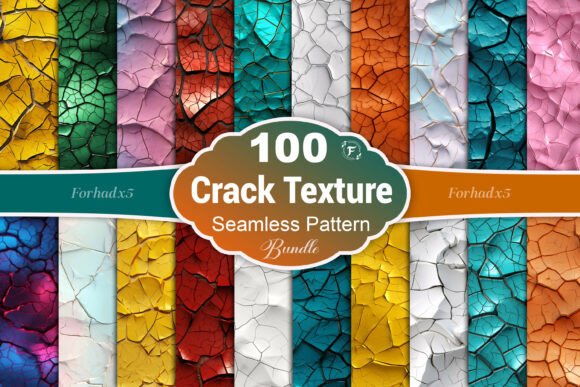
Crack Texture Seamless Pattern
There is a specific kind of visual weight that comes from imperfection. In a digital landscape dominated by sleek, minimalist interfaces and polished vector graphics, there is often a hunger for something that feels tactile, worn, and real. This is where the Crack Texture Seamless Pattern steps in. It isn’t just a background; it is a tool for adding history, grit, and authenticity to any design project. Whether you are a graphic designer looking to break up clean white space or a small business owner wanting your packaging to feel artisanal, these patterns provide the raw aesthetic needed to stand out.
The concept behind a seamless crack pattern is simple but powerful: it allows you to tile a distressed surface infinitely without visible seams. This means you can create full-page backgrounds, wrap textures around 3D objects, or overlay them on product photos without worrying about awkward edges or repetitive glitches. The result is a cohesive, high-resolution texture that looks like it was photographed from an old wall, a dried riverbed, or weathered concrete. When you introduce this element into your workflow, you aren’t just adding noise; you are adding character.
Why Imperfection Matters in Modern Design
We live in an era of hyper-curation. Social media feeds are filled with perfectly lit, color-graded images that can sometimes feel sterile or detached. Introducing a Crack Texture Seamless Pattern Bundle disrupts that perfection in a way that engages the viewer. It triggers a psychological response related to nostalgia, ruggedness, and endurance. For brands in the craft beer industry, vintage clothing lines, or outdoor gear companies, this texture communicates reliability and timelessness. It says, "This product has been tested," even if it is brand new.
For individual creators, these textures offer a shortcut to complexity. Instead of manually painting every scratch and fissure in Photoshop or Illustrator, you can apply a high-resolution seamless pattern and achieve a professional-grade grunge look in seconds. This efficiency is crucial for freelancers and agencies who need to deliver high-quality mockups and designs under tight deadlines. The ability to toggle opacity, blend modes, and layering allows for endless customization while maintaining the core aesthetic of broken beauty.
Practical Applications Across Industries
The versatility of crack textures extends far beyond simple backgrounds. Here is how different professionals are actually using these resources in their daily work.
Graphic Design and Digital Art
In the realm of digital art, crack textures are invaluable for creating depth. When designing posters, flyers, or album covers, a flat color block can feel boring. By applying a subtle crack pattern at a low opacity over a gradient or solid color, you add grain and dimension. This technique is particularly effective for:
- Social Media Graphics: Instagram stories and Facebook banners benefit from textured overlays that make text pop. A cracked background behind bold typography creates a striking contrast between the rough texture and the clean font.
- YouTube Thumbnails: To grab attention in a crowded feed, thumbnails need impact. A gritty, cracked texture can signal intensity, drama, or action, making the image more clickable.
- Digital Illustrations: Artists use these patterns as base layers to paint over, giving their digital brushes a physical, worn-in feel that mimics traditional media.
Print-on-Demand and Apparel
If you run a Print-on-Demand (POD) store, you know that the difference between a generic design and a bestseller often lies in the details. Applying a crack texture to t-shirt designs, hoodies, or tote bags adds a layer of sophistication. It transforms a simple logo into something that looks like it belongs on a vintage band tee or a rugged work jacket. For example, placing a minimalist logo over a distressed concrete crack pattern immediately elevates the perceived value of the garment. It suggests a streetwear aesthetic that resonates strongly with younger demographics.
Furthermore, these patterns are not limited to fabric. They work beautifully on shoe artwork, sneaker customizations, and even packaging inserts. If you are selling handmade soaps or candles, a label featuring a subtle crack texture can communicate natural ingredients and earthy origins, aligning the visual identity with the product’s ethos.
Branding and Web Design
Web designers often struggle with creating hero sections that don’t look like stock photography. Using a Crack Texture Seamless Pattern as a website background provides a unique entry point for visitors. It sets a tone before the user even reads the headline. For brands that want to convey strength, resilience, or industrial chic, this texture is perfect. It works exceptionally well for:
- Logo Presentation: Mocking up a logo on a cracked surface helps clients visualize how their brand will look in the real world, on signage or merchandise.
- Portfolio Pages: Creative portfolios can use these textures to separate sections or highlight case studies, ensuring the focus remains on the work while providing a rich visual context.
- Dark Mode Interfaces: Subtle dark crack patterns can enhance dark mode designs, reducing eye strain while adding visual interest to otherwise empty spaces.
Technical Considerations for Best Results
While the creative possibilities are vast, getting the most out of a Crack Texture Seamless Pattern Bundle requires some technical know-how. These files typically come as high-resolution JPGs, often at 2400×2400 pixels. While this resolution is excellent for print and large-format displays, it is important to understand how to handle them in your software of choice.
Layer Blending Modes: The magic happens in the blending. Never place a crack texture as a simple top layer. Experiment with modes like "Overlay," "Soft Light," or "Multiply." Multiply is great for darkening areas and adding shadow, while Overlay enhances contrast and brings out the highlights in the cracks. Playing with these modes allows you to integrate the texture naturally into your design rather than having it sit on top like a sticker.
Opacity and Scale: One common mistake is using the texture too heavily. Often, lowering the opacity to between 10% and 30% yields the most professional results. You want the texture to be felt, not necessarily seen explicitly. Additionally, scaling the pattern up or down can change its character. A larger scale might mimic big concrete fissures, while a smaller scale could resemble fine hairline cracks in paint. Always preview your design at actual size to ensure the texture doesn’t become distracting.
Color Harmony: Since the bundles are usually in RGB color, they may contain various shades of gray, brown, or black. Ensure these colors complement your primary palette. If your design is bright and colorful, a neutral gray crack texture will anchor it. If your design is monochromatic, you might tint the texture to match your brand colors for a more unified look.
Who Should Use This Resource?
This resource is ideal for anyone tired of the "clean" look. It is perfect for hobbyists who want to scrapbook with a vintage theme, educators creating handouts that need a rustic feel, and marketers launching campaigns for rugged products. It bridges the gap between digital precision and analog chaos. By incorporating a Crack Texture Seamless Pattern, you are making a deliberate choice to embrace the beauty of decay and age. In a world of smooth surfaces, that choice makes your work memorable.
Whether you are designing a poster for a local rock concert, updating your e-commerce site to reflect a premium, handcrafted brand, or simply trying to give your social media content a unique edge, these patterns offer a practical, high-impact solution. They are ready to use, easy to manage, and capable of transforming ordinary layouts into extraordinary visual experiences. Start exploring how broken beauty can strengthen your creative vision today.